A thermostat that is “working” but not telling the truth is one of the most frustrating HVAC problems to diagnose. The system runs, the homeowner gets alerts that the temperature is reaching the setpoint, yet the house feels off. One room is always too warm, the next is always too cold, and the comfort swings start to feel random, even though the pattern is consistent once you look closely.
In Kansas City, Missouri, where summer humidity can turn a mild mismatch into a sweaty problem quickly, thermostat calibration issues show up more than people expect. Sometimes it is the thermostat itself. Sometimes it is installation details. Sometimes it is how the home is zoned, how airflow AC repair in Kansas City MO is balanced, or even how the thermostat is mounted. The fix is rarely just “turn the dial.” It is about restoring accurate temperature sensing and reasonable control behavior so your AC repair in Kansas City MO, HVAC repair in Kansas City MO work isn’t wasted on chasing symptoms.
Why calibration problems feel like “mystery” HVAC behavior
A thermostat controls comfort by combining two things: temperature measurement and decision logic. Calibration problems can involve either. The sensor can drift from true ambient temperature, or the thermostat can be misreading the airflow pattern around it. Modern thermostats also include software features like anticipation, adaptive recovery, and sometimes humidity-related logic. When those features are trained on bad data, the system can start overshooting or short cycling.
There are a few ways this shows up in real life.
In one home I serviced, the thermostat was reading 74°F, but the living room felt closer to 77°F. The homeowner had already tried lowering the setpoint because the house “never got there.” What actually happened was that the thermostat sensor was tucked into a spot where return air wasn’t representative of the room’s average temperature. The HVAC ran hard early, but then it slowed down because the thermostat believed it had met target temperature. By the time the living room warmed, the thermostat had already stopped calling for cooling.
Another common scenario is the opposite: the thermostat senses too cool, so the system keeps running when it should have relaxed. That can lead to higher humidity levels because the AC may keep the fan cycling less efficiently than intended. You end up with a house that feels “clammy” rather than evenly cool.
Calibration issues also create the illusion that something mechanical is failing. A homeowner calls for AC repair in Kansas City MO because the system is “not working,” and the technician finds a refrigerant charge that is within range and a blower that runs normally. Then they look at the thermostat location, offsets, scheduling settings, and sensor behavior and realize the problem is basically communication between the controller and the actual room conditions.
The symptoms that point toward calibration rather than a dead system
You can have a thermostat calibration issue even when the HVAC equipment is healthy. The key is that the temperature mismatch tends to be consistent and the system behavior often follows a repeatable cycle.
Here are the most common signs I look for during troubleshooting, the ones that usually tell me it’s time to put the thermostat under a microscope rather than assume a compressor, capacitor, or contactor problem.
- The thermostat setpoint changes, but the actual room temperature lags or overshoots in a repeatable way Comfort is inconsistent across rooms, even though airflow is “on” and the system runs The thermostat displays a temperature number that does not match a nearby reference thermometer The system short cycles or runs longer than expected, even though the equipment seems to operate normally Humidity feels wrong for the set temperature, suggesting the control strategy is not matching actual conditions
When a thermostat is calibrated correctly, the temperature it reports should track a reference thermometer reasonably well, usually within a few degrees under stable conditions. If the difference is consistently larger than that, calibration or placement is the likely culprit.
Placement matters as much as calibration
People often think calibration means “the thermostat was manufactured wrong” or “the unit needs a reset.” In practice, placement can cause the sensor to measure the wrong air.
If the thermostat is mounted on an interior wall with steady airflow from the room, the sensor typically sees something close to average room temperature. But if it is mounted where it receives direct sunlight, nearby heat from electronics, or drafts from a door or register, the reading can skew.
In Kansas City, seasonal swings are real. A thermostat on a wall that catches morning sun can read warmer than the room in the evening, leading the AC to cycle off early. In winter, the opposite can happen if warm air from a hallway or ceiling vent stratifies near the sensor.
I’ve also seen calibration-like behavior when the thermostat is installed too close to supply vents or return paths that don’t mix well. A ducted airflow pattern can create microclimates. The sensor might be sitting in a pocket of air that is either cooler or warmer than the rest of the room, so the controller makes decisions based on a local temperature rather than the house average.
This is one reason why a good HVAC contractor in Kansas City MO doesn’t just “hook up and move on.” They consider where the thermostat will live. They ask about door drafts, nearby windows, and how the room is used day to night. Those details help prevent a repeat call.
Offsets, “calibration” menus, and the confusion of smart features
Many thermostats offer an offset setting. Some call it calibration. Others call it temperature adjustment. The idea is simple: allow the homeowner or installer to correct the displayed temperature if the sensor runs high or low compared to reality.
But offsets can become a problem when multiple layers of adjustment exist. For example, a thermostat may have both: 1) an internal temperature calibration offset, and
2) a remote sensor or averaging feature that blends readings.If someone applies an offset based on one measurement at one time of day, then later changes the scheduling, the system behavior might not improve. The controller is now consistently chasing the wrong target.
Smart thermostats also include features that change how and when they call for heating or cooling. Adaptive recovery, for instance, aims to hit the setpoint at a certain time by starting early. Humidity-related settings can change fan run times. If those features were trained on a thermostat that was reading skewed air, the system can overshoot or fail to dehumidify effectively.
A practical example: a homeowner programs “cool to 74°F at 3:00 PM.” The thermostat may start cooling at 2:20 PM and reach the setpoint quickly in its own reading, but the room’s real temperature might still be rising due to sun exposure, cooking heat, or simply delayed mixing of air. Then the system stops based on false confidence. The homeowner sees the thermostat display “on target” while the living space remains warm. That mismatch is not a refrigerant failure. It is a control loop with bad inputs.
Quick checks you can do before calling for service
You do not need lab equipment to determine whether thermostat calibration is likely. With a calm, careful approach, you can gather enough evidence to make your AC maintenance in Kansas City actionable, and you can help a technician avoid guessing.
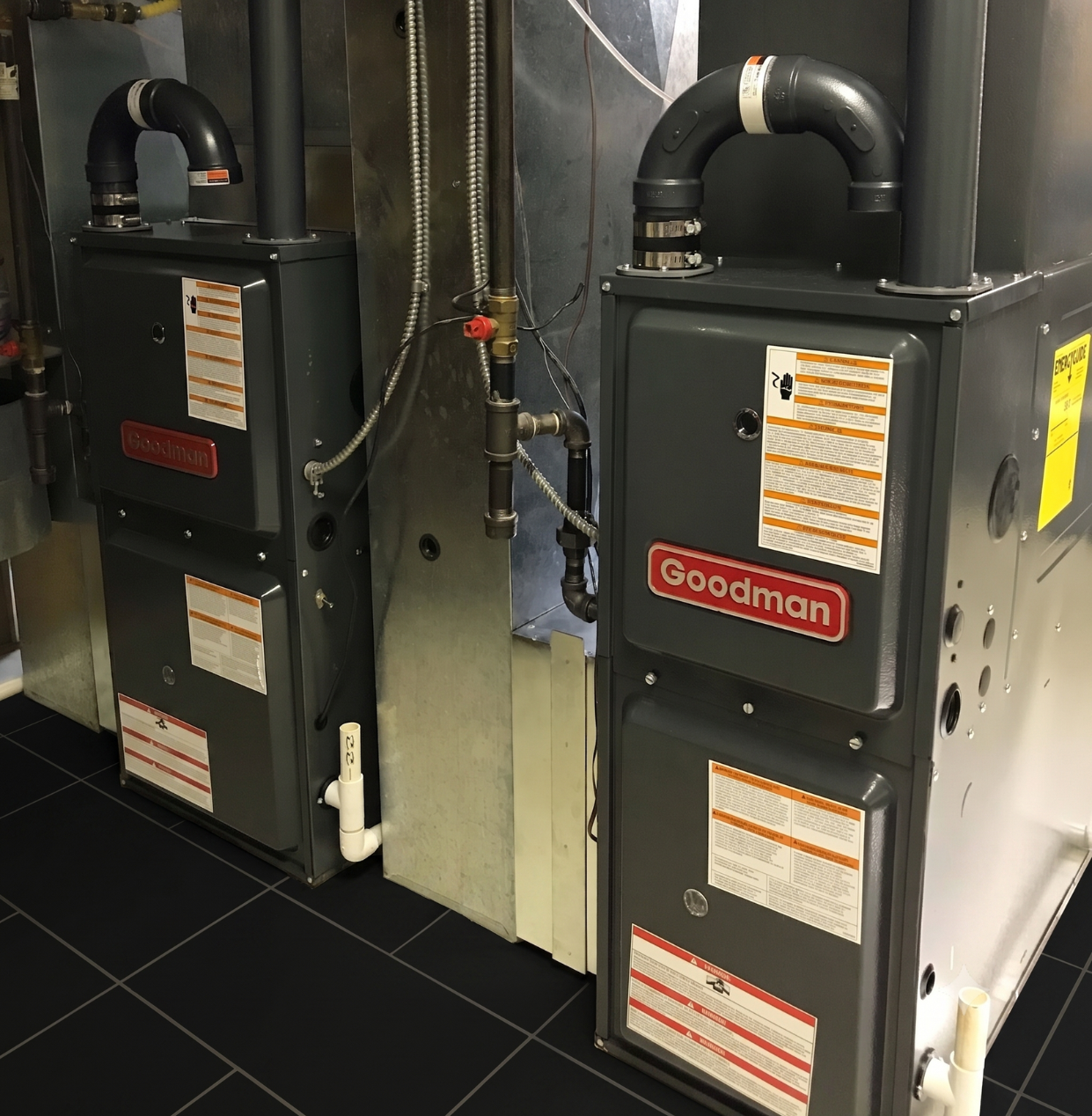
I recommend starting with reference temperature checks using a reliable thermometer placed in the same room, away from the thermostat itself. Cheap stick-on sensors can be off too, so if you have a handheld probe thermometer or a known good device, use it.
The goal is not to chase a one-time difference. Temperature moves, HVAC cycles, and rooms stratify. The goal is to see whether the thermostat is consistently reporting a different temperature than the room experiences.
For example, after the system runs and stabilizes, check whether the thermostat reading tracks your thermometer for 10 to 15 minutes. If the difference stays steady, calibration or sensor placement is a strong suspect. If the difference changes wildly cycle to cycle, you may be dealing with airflow issues, drafts, or a control parameter problem.
Also check whether the thermostat is level and firmly mounted. A thermostat that is slightly tilted can alter how it sits relative to airflow patterns, especially if the mounting plate is in a niche or near the edge of a draft path.
The thermostat calibration troubleshooting process a good technician uses
When I troubleshoot calibration issues, I treat it like a system diagnosis, not just a thermostat adjustment. The thermostat is the interface, but it lives in a real environment with real airflow.
A careful HVAC contractor will verify several things before making changes. Here is the typical path I follow, and what I expect a professional to address.
- Confirm thermostat location conditions, including sunlight exposure and proximity to vents, returns, doors, and appliances Compare thermostat displayed temperature against a reference thermometer at the sensor height in the room Inspect thermostat settings for temperature offset, sensor averaging, and any adaptive recovery behavior Check fan mode behavior and cycle timing to see whether the control decisions align with real room response Evaluate how the system is ducted and whether airflow patterns could be creating local hot or cold pockets
Notice what is not on that list. You won’t see “replace the thermostat” as the first step. That is usually a costly gamble. A calibration complaint is often a configuration or placement issue, and those can be corrected without replacing hardware.
Edge cases professionals watch for
Sometimes thermostat calibration issues are a distraction from another underlying problem. Here are the edge cases I keep in mind.
If the system is undersized or struggling under load, the room temperature may not track the thermostat setpoint accurately because the equipment cannot hold steady. The thermostat could be “correct,” but the system may be maintaining comfort imperfectly due to airflow problems, dirty evaporator coils, or refrigerant issues. In those cases, the mismatch might be blamed on calibration incorrectly.
If your home has multiple return paths or unusually long duct runs, the sensor may be measuring a localized temperature that never represents the whole space. Some modern thermostats include remote sensors, but those remote sensors are only helpful when they are placed thoughtfully and when averaging logic matches how the home actually mixes air.
Zoning adds another layer. With zone systems, you can absolutely get a thermostat reading that looks “off” because the zone calling for cooling is not the same zone where the thermostat is located. In a multi-zone home, the thermostat might be controlling based on a zone sensor, but the room the homeowner feels comfort in could be a different area. That can look like calibration even when the thermostat is operating as designed.
What technicians do when calibration is confirmed
Once you establish that the thermostat is reading wrong relative to the room, the fix depends on cause.
If it is a simple temperature offset issue, the correction may be straightforward. You adjust the offset gradually and verify with the reference thermometer after the system has stabilized. The key is patience. If you change the offset aggressively and then immediately judge results during another transient phase, you can end up overcorrecting.
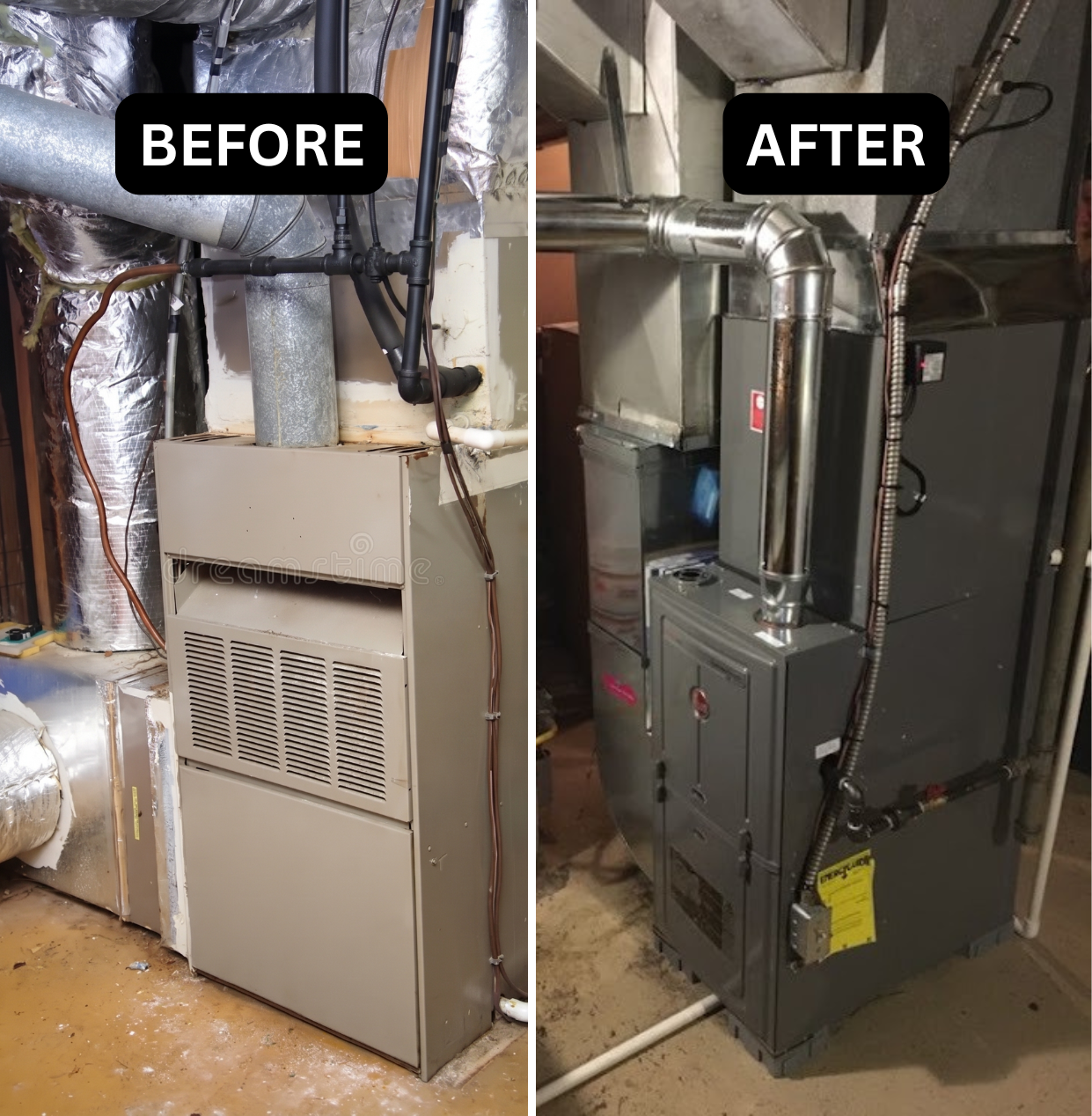
If placement is the primary problem, the better fix might be relocating the thermostat. That is not always easy, but it can be the difference between “we changed a setting” and “we solved the comfort issue.” Relocation might involve patching and repainting drywall, running new wiring, or switching to a thermostat mounting solution that reduces exposure to drafts and direct sunlight.
If the thermostat’s adaptive logic is causing overshoot, the technician may adjust settings such as anticipation, adaptive recovery, or the heat and cool cycle behavior. Some thermostats have configuration menus that correspond to system type. A mismatch there can lead to strange control behavior. For instance, if the thermostat is configured for a system type that does not match your actual HVAC setup, the fan may run at the wrong times or the compressor staging may not behave as intended.
When the thermostat has multiple sensors, a technician might also change whether the device averages sensors or prioritizes one. If the averaging includes a sensor that sits in a microclimate, averaging can worsen the problem.
The cost of guessing, and why calibration fixes are often cheaper than mechanical repairs
Homeowners understandably worry about mechanical failures, especially when a thermostat issue makes the system run too much or too little. But thermostat calibration corrections tend to be far less expensive than replacing HVAC components.
The challenge is that HVAC repair calls are time-based and diagnosis-heavy. A technician still needs to confirm refrigerant and airflow health before declaring the thermostat the culprit, especially in a safety-sensitive system. That’s not wasted effort, it is responsible service.
Still, the best service experience is usually the one where the technician narrows the problem quickly. If you can provide even a little context, you help a lot. Tell the technician:
- when the problem started whether the thermostat reading seems consistently high or low if the issue changes when windows open or doors get used any recent changes you made to schedules, setpoints, or thermostat settings
Those clues can shorten the troubleshooting loop. They can also prevent a misdirected attempt at AC repair in Kansas City MO that focuses on mechanical parts while the real fix is control accuracy.
How thermostat issues connect to maintenance and comfort
Thermostat calibration is not just about accurate numbers. It affects runtime patterns, humidity control, and filter loading. When the thermostat ends cooling too early, you often see higher humidity in the home. When it runs too long, you can end up with more wear on equipment and a house that feels colder than necessary because it is overcompensating.
That is why AC maintenance in Kansas City should treat thermostat behavior as part of overall system health. A clean evaporator coil improves how the system removes humidity. Proper airflow affects how quickly the room temperature responds. Duct leaks can cause the thermostat to “feel fooled” if the space near the sensor reaches target quickly but the rest of the home lags behind.
A thermostat calibration problem can be the spark, but it can also amplify existing issues. If filters are clogged and airflow is restricted, even a perfect thermostat will struggle to achieve stable comfort. If ductwork is leaky, the thermostat reading may track more closely to the localized air path than the actual living space.
This is also why “HVAC repair in Kansas City MO” should be approached holistically. A good technician looks beyond the thermostat screen and into how the air moves through the home.
When to adjust settings yourself, and when to stop
There is some value in homeowners making small thermostat adjustments, especially offsets, if you have a reference thermometer and patience. But there are times where I tell people to pause and get a professional involved.
Stop and call for service if:
- the thermostat frequently reports temperatures that swing wildly without obvious reason the system behavior includes short cycling that seems new or worsening you suspect wiring issues, loose connections, or repeated error messages you have a zoned system and the behavior changes when different zones are called the thermostat has recently been installed and comfort is immediately off
In those situations, there may be configuration errors, wiring mismatches, or control logic that needs correct system parameters. The thermostat might look adjustable, but the right settings depend on your HVAC design and airflow behavior.
Choosing a service partner for thermostat calibration problems
Not every HVAC technician approaches thermostat issues the same way. Some focus on equipment and leave the thermostat alone unless it is clearly defective. Others test the sensing accuracy, compare actual response, and adjust with verification. That difference is the difference between a one-off fix and a problem that comes back with every warm or cold spell.
If you are searching for AC installation in Kansas City or HVAC contractor in Kansas City MO, it helps to ask how they handle thermostat calibration and placement. A professional should be able to explain:
- whether they verify sensor readings during service how they evaluate thermostat location whether they review offset and advanced settings how they confirm that comfort aligns with the control target after changes
You do not need a long technical lecture. You need a technician who treats comfort as measurable and the thermostat as part of the system, not a standalone gadget.
A realistic payoff: what “fixed” feels like
Once thermostat calibration is correct, the system behavior becomes calmer and comfort stabilizes. You stop feeling like the AC is either blasting or giving up. The temperature display becomes a reliable reference rather than a suggestion.
In the earlier example where the thermostat was reading high, the fix involved relocating the thermostat away from a hot spot and adjusting the control behavior after verifying sensor accuracy with a reference thermometer. After that, the living room stopped running warm at “setpoint.” The system also dehumidified more consistently, because it stayed in the right control range long enough for moisture removal to happen effectively.
That is the practical result you want. Not just a “working thermostat,” but a home that responds like you expect when you set the temperature.
Keeping thermostat problems from returning
Thermostats do not drift much under normal conditions, but the environment around them changes. Sun angles shift across seasons. Furniture gets rearranged. New electronics come into a room. Airflow patterns can change after filter changes or after someone blocks a return vent without realizing it.
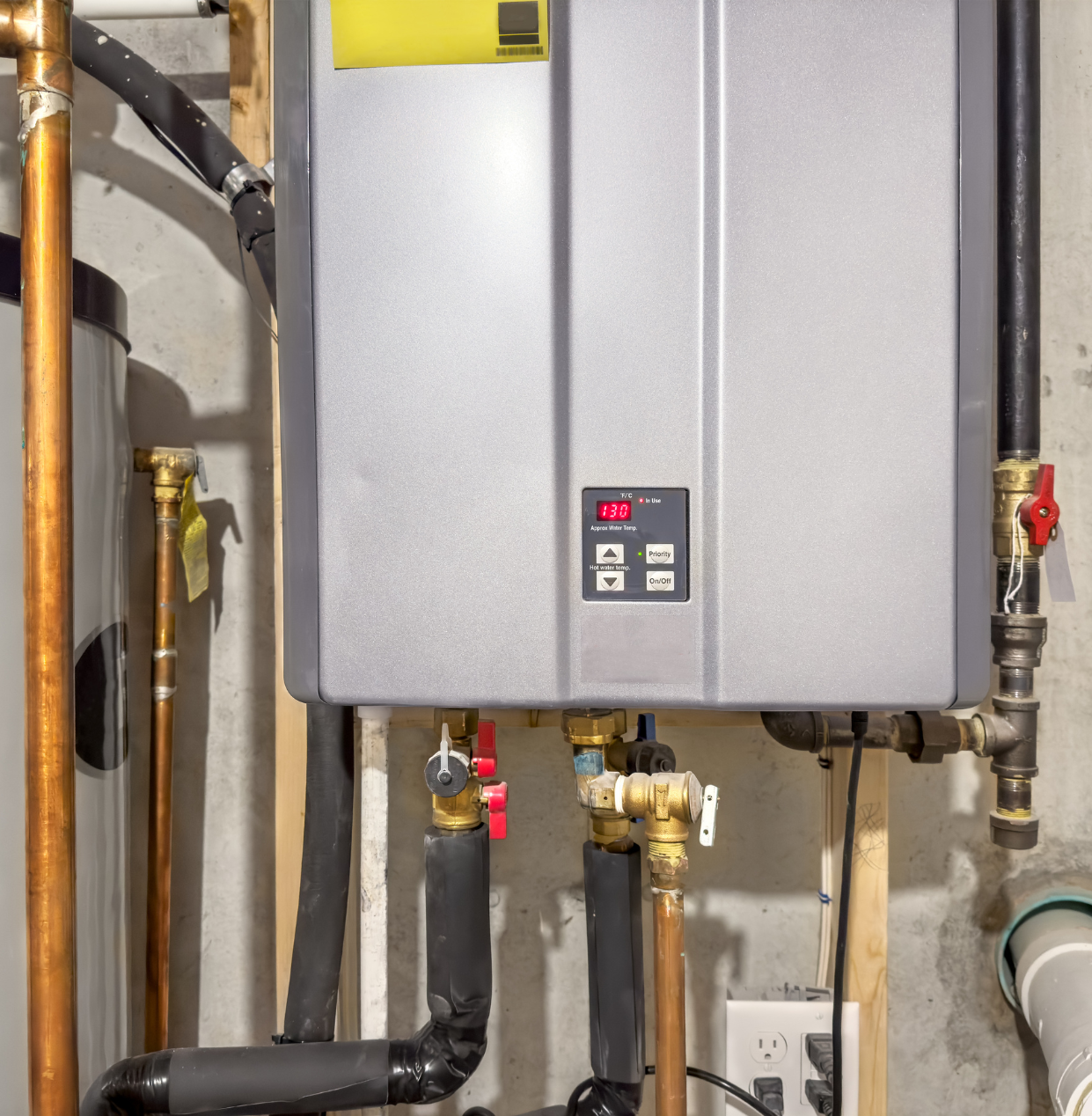
To keep calibration from turning into a recurring headache, keep thermostat placement in mind during any room changes. If you notice comfort drifting again, check the simplest things first: whether the thermostat is still clean, not obstructed, and not in a new draft path.
Also keep your maintenance consistent. A system that runs with clean airflow and balanced behavior is easier for any thermostat to control accurately. That’s how you reduce the temptation to keep calling for HVAC repair in Kansas City MO for problems that are really control accuracy and comfort feedback loops.
If you suspect a thermostat calibration issue, treat it like a diagnosis, not a guess. With a proper sensor check, a thoughtful review of settings, and confirmation that the room response matches the displayed target, you can get back to steady comfort without chasing mechanical ghosts.
All 4 One Heating & Cooling
5828 Woodland Ave, Kansas City, MO 64110, United States
816-699-8366
[email protected]
Website: https://all4onekc.com/